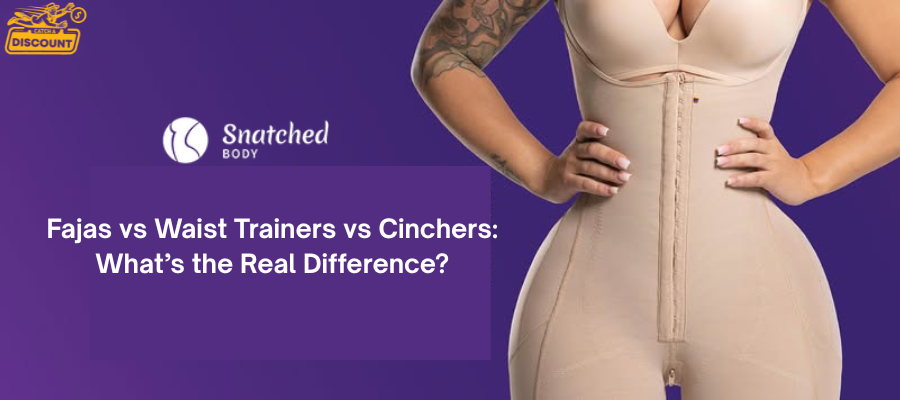
 Comparison
If you’ve been exploring shapewear recently, you’ve probably come across terms like faja, waist trainer, and cincher used almost interchangeably. On the surface, they may look similar, but in reality, each garment serves a very different purpose in shaping, supporting and enhancing the body.
Understanding the difference between a faja vs waist trainer vs cincher is essential if you want real results without discomfort or unrealistic expectations. In 2026, shapewear has become more advanced, breathable and body-conscious than ever before, making it easier to choose the right option based on your lifestyle, fitness goals, or recovery needs.
This guide breaks everything down in a simple, practical way so you can confidently decide which shapewear fits your body type, comfort level, and personal goals.
Understanding Faja vs Waist Trainer vs Cincher in Modern Shapewear
The shapewear industry has evolved significantly in recent years. Instead of one universal compression garment, there are now specialized designs created for different purposes medical recovery, waist shaping, everyday contouring, and fitness support.
At the center of this category are three major types:
A faja, which is designed for full-body shaping and post-surgical support.
A waist trainer, which focuses on waist reduction and thermal compression.
A cincher, which offers lightweight midsection control for daily wear.
Each of these serves a unique role, and choosing the right one depends on whether you’re prioritizing recovery, aesthetics, or everyday comfort.
Brands like Snatched Body have helped popularize high-quality Colombian shapewear that combines medical-grade compression with modern comfort-focused design, especially through materials like Powernet and breathable Lycra blends.
What Is a Faja?
A faja is a high-compression shaping garment traditionally developed in Latin America, especially Colombia, where body-contouring shapewear has long been part of beauty and post-surgical recovery culture.
In the modern shapewear market, fajas are considered the most structured and supportive option available.
A faja is typically worn to compress and shape the waist, abdomen, back, and sometimes thighs, depending on the design stage. Many people also use fajas after cosmetic procedures like liposuction, tummy tucks, or BBL surgery because they provide consistent compression that supports healing and reduces swelling.
One of the defining features of a faja is its construction. Most high-quality versions use Powernet fabric, which offers firm compression while still allowing airflow. This balance makes it suitable for extended wear without excessive discomfort.
Beyond medical recovery, fajas are also widely used for everyday shaping. They help create a smoother silhouette under clothing, improve posture due to reinforced structure, and enhance natural curves without looking overly restrictive.
Some premium options from brands like Snatched Body are also designed with adjustable hooks and reinforced panels, allowing users to transition through different compression levels as their body adapts.
👉 Some premium Colombian-style options also offer limited seasonal discounts like 10–20% off bundles or free shipping promotions, making it easier for beginners to try high-quality fajas without a heavy upfront cost.
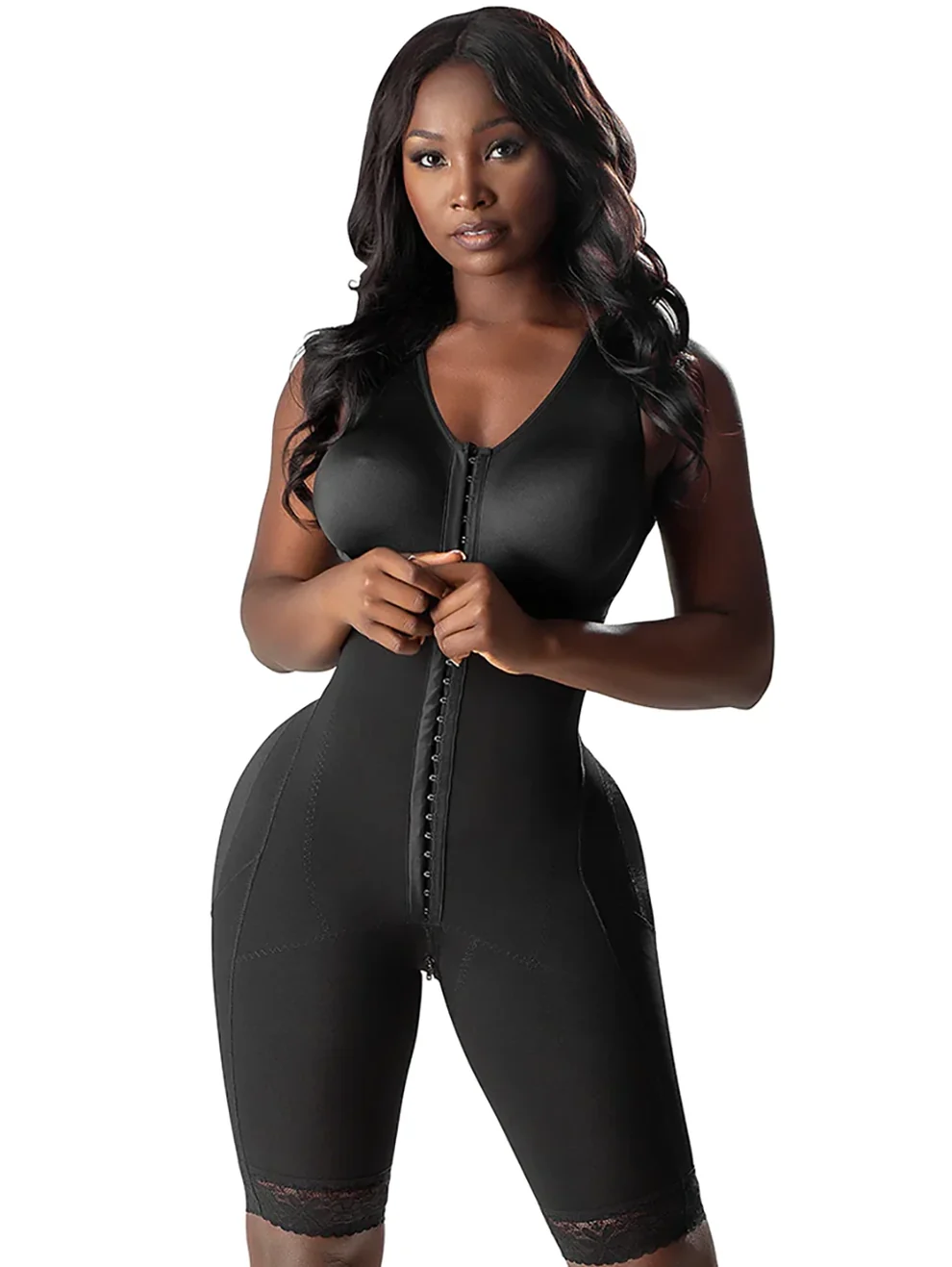
👉 Explore high-quality Colombian fajas here.
What Is a Waist Trainer?
A waist trainer is a compression garment designed primarily to shape the waistline by applying targeted pressure around the midsection. Unlike a faja, it does not cover the full body. Instead, it focuses specifically on the waist to create a more defined hourglass appearance.
Most waist trainers are made from materials like latex or neoprene, which generate heat during movement. This is why they are often used during workouts, where they are believed to enhance sweating and create a temporary slimming effect.
Waist trainers usually feature hook-and-eye closures or zipper systems at the front, allowing users to adjust tightness based on comfort and compression preference.
In 2026, waist trainers are still widely used in fitness routines and short-term body shaping scenarios such as photoshoots, events, or special occasions. However, they should be used carefully. Over-tightening or extended wear can lead to discomfort, restricted breathing or poor posture if not used correctly.
Modern brands now include more ergonomic designs and breathable inner linings to reduce pressure points, but proper usage remains essential.
👉 Many fitness-focused shapewear brands also run limited-time discounts like “Buy 1 Get 1 50% Off” or seasonal fitness sales, especially during New Year or summer body campaigns.
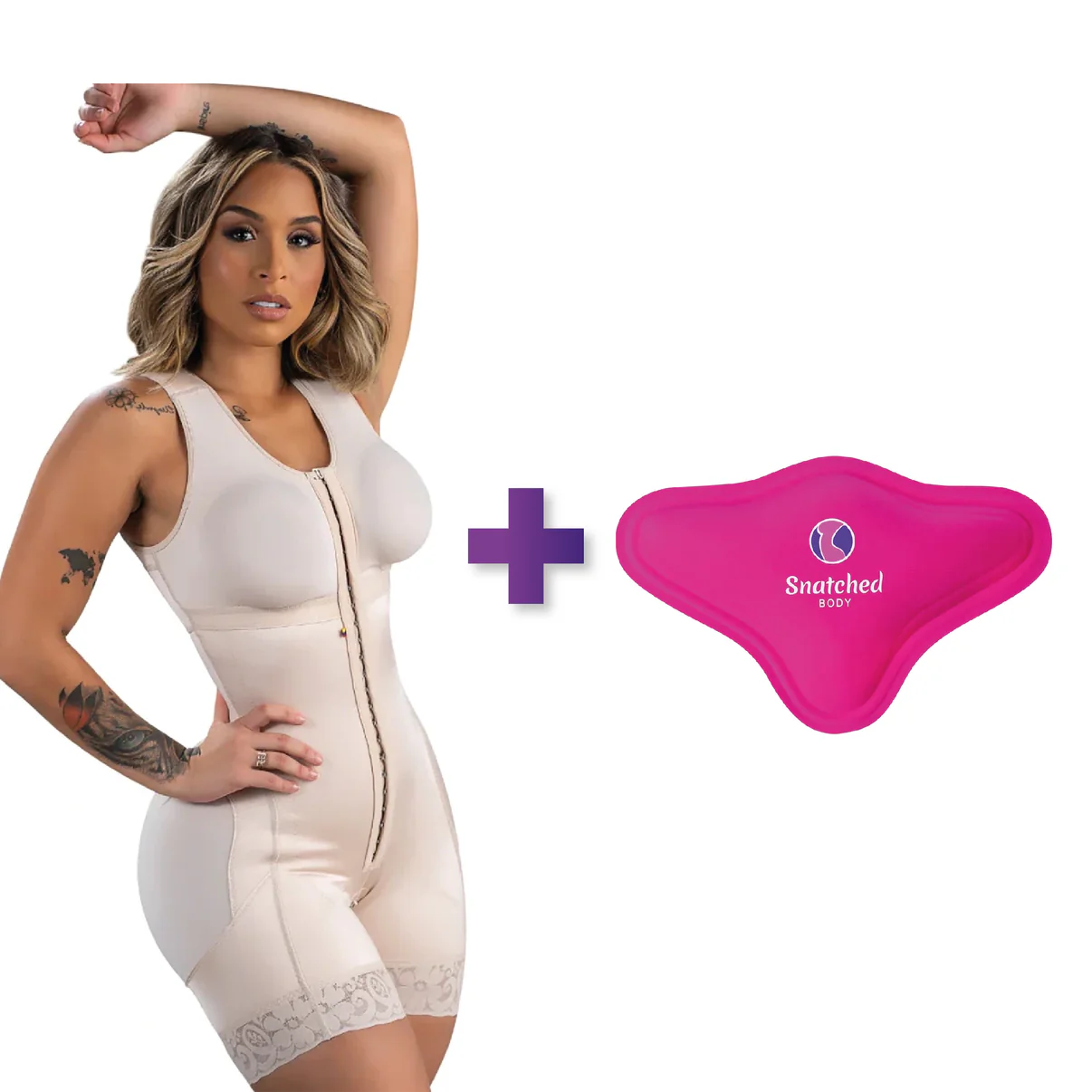
👉 Check out these waist-training options.
What Is a Cincher?
A cincher sits between a faja and a waist trainer in terms of structure and functionality. It is designed to compress only the midsection—mainly the waist and stomach—without extending coverage to the thighs or full torso.
Because of this, cinchers are considered one of the most comfortable and practical shapewear options for everyday use.
Cincher designs often include light boning made from steel or flexible plastic to maintain structure while still allowing natural movement. Materials such as Powernet, spandex, and lightweight elastic blends are commonly used to ensure flexibility.
Unlike waist trainers, cinchers are not focused on “training” the waist. Instead, they provide immediate shaping and smoothing under clothing without creating excessive pressure.
They are especially popular for office wear, casual outfits, and social events where a natural but refined silhouette is desired. Many users prefer cinchers because they are easier to wear for longer periods without discomfort.
👉 Entry-level cinchers are often available in affordable starter deals or bundle discounts, making them a popular first step into shapewear for beginners.
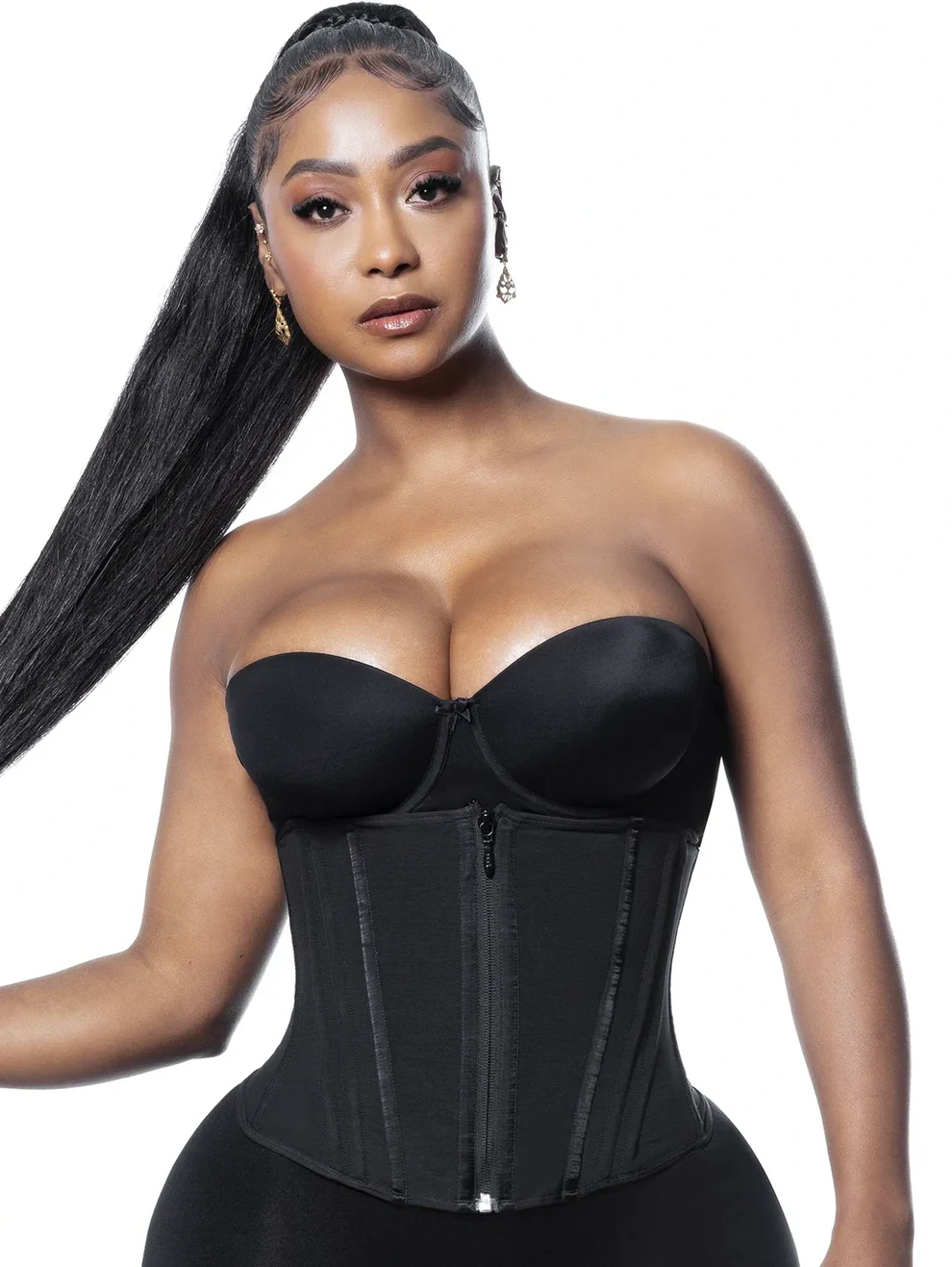
👉 Shop best-selling compression cinchers.
Faja vs Waist Trainer vs Cincher: Key Differences
To understand the differences more clearly, it helps to compare them side by side based on function, material, and usage.
| Feature | Faja | Waist Trainer | Cincher |
|---|---|---|---|
|
Coverage |
Full body or extended midsection |
Waist only |
Midsection only |
|
Primary Purpose |
Post-surgery recovery + shaping |
Waist reduction + training effect |
Everyday shaping |
|
Material |
Powernet, Lycra blends |
Latex, neoprene |
Spandex, Powernet |
|
Comfort Level |
High (depending on stage) |
Moderate to tight |
High |
|
Best Use Case |
Recovery, full shaping |
Gym, short-term waist shaping |
Daily wear, light contouring |
This comparison makes it clear that while all three shape the body, their goals are fundamentally different.
Which One Should You Choose?
Choosing between a faja vs waist trainer vs cincher depends entirely on your personal goals and lifestyle.
If you are recovering from cosmetic surgery or postpartum changes, a faja is the most appropriate option due to its structured support and medical-grade compression.
If your goal is to enhance workouts or temporarily shape your waist for short-term results, a waist trainer may be more suitable especially during exercise sessions.
If you want something comfortable for daily use under clothes, a cincher is the most practical choice. It provides shaping without restricting movement or causing discomfort during long hours.
It’s also important to measure your body accurately before choosing any shapewear. A proper fit ensures both comfort and effectiveness.
Can You Wear Fajas, Waist Trainers and Cinchers Together?
Some users do combine shapewear strategically depending on their daily routine. For example, a cincher might be used during work hours for comfort, while a faja may be used during recovery periods or more structured support needs.
However, continuous layering or excessive compression is not recommended. Your body needs time to breathe and recover naturally. Shapewear should enhance your shape, not restrict circulation or comfort.
The key is balance using the right garment for the right moment rather than overusing multiple layers at once.
How to Care for Your Shapewear
Proper maintenance plays a major role in how long your shapewear lasts and how well it performs over time.
Hand washing with mild detergent helps preserve elasticity and compression strength. Air drying is essential, as heat can damage the fibers and reduce effectiveness. It is also recommended to avoid twisting or wringing the fabric to maintain its structure.
Rotating between multiple garments can also extend lifespan, especially if shapewear is worn daily. With proper care, high-quality fajas and cinchers can maintain their shape and performance for a long time.
Pros and Cons of Each Shapewear Type
| Type | Pros | Cons |
|---|---|---|
|
Faja |
Strong compression, post-surgery support, full shaping |
Can feel restrictive for beginners |
|
Waist Trainer |
Enhances waist definition, workout-friendly |
Not suitable for long wear |
|
Cincher |
Comfortable, easy daily use, lightweight |
Limited shaping compared to faja |
Who Should Use Each Type?
Each shapewear type suits a different lifestyle and goal.
A faja is ideal for individuals recovering from surgery or those seeking full-body shaping and posture support. A waist trainer is best for fitness-focused users looking for temporary waist definition. A cincher is perfect for everyday users who want subtle shaping without discomfort.
Understanding your body goals ensures you get better results and a more comfortable experience.
Final Verdict: Faja vs Waist Trainer vs Cincher
The difference between a faja, waist trainer, and cincher comes down to purpose, structure, and comfort level. Each has its place in modern shapewear, and none is universally “better” than the others.
Fajas provide the strongest support and full-body shaping, waist trainers focus on temporary waist definition and workout enhancement, and cinchers deliver comfortable daily contouring for everyday wear.
In 2026, shapewear is no longer about extreme compression it’s about balance, comfort, and body confidence. Choosing the right option means understanding your needs and selecting a garment that enhances your lifestyle rather than restricting it.
Brands like Snatched Body continue to lead this space by offering thoughtfully designed shapewear that prioritizes both performance and comfort.
FAQ: Faja vs Waist Trainer vs Cincher
1. What is the main difference between a faja and a waist trainer?
A faja provides full-body compression and is often used for recovery, while a waist trainer focuses only on shaping the waist.
2. Can I wear a cincher every day?
Yes, cinchers are designed for daily wear and are generally the most comfortable option.
3. Is a waist trainer safe for long-term use?
It can be safe when used correctly and in moderation, but overuse or excessive tightness should be avoided.
4. Which shapewear is best for beginners?
Most beginners prefer cinchers because they offer light compression and comfort.
5. Do fajas really help after surgery?
Yes, fajas are widely used in post-surgical recovery for compression, support, and swelling reduction.
6. Can shapewear permanently change body shape?
Shapewear provides temporary shaping and support but does not permanently alter body structure.
7. How do I choose the right size?
Always measure your waist and hips accurately and follow the brand’s sizing chart for best results.
You may also like