
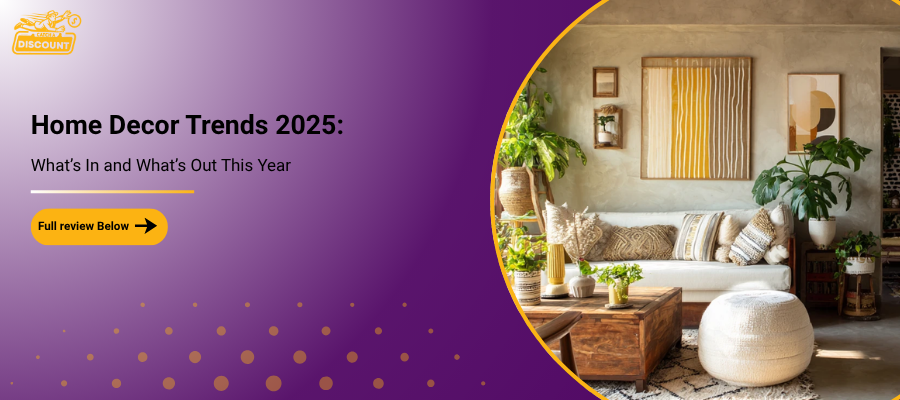
 Home and Decor
A room can look beautiful online and still feel uncomfortable to live in. The sofa might be too shallow, the pendant light too harsh, or the fashionable coffee table too large for the space. That is why home decor trends 2026 deserve more than a shopping list. Before buying anything, it helps to understand which ideas improve daily life and which simply photograph well. The original appeal of bold colors, natural materials, vintage furniture, and personal details remains relevant. However, these ideas work best when adapted to your room, budget, and habits.
Current Houzz reporting points toward warmer, more personal interiors, drawing on interviews with nearly 50 design professionals. That provides useful direction, although it does not mean every household needs to follow the same style. This guide evaluates the main decorating approaches, explains where spending more can make sense, and compares alternatives. It is a research-informed buying guide, rather than a hands-on review of individual furniture products. Build Around One Useful Upgrade Start with the item your room needs most: comfortable seating, better lighting, or practical storage. Choose decorative accents after that foundation is in place.
What Are the Home Decor Trends for 2026?
Home decor trends are recurring preferences in color, materials, furniture, lighting, and styling. They offer inspiration, but they are not rules or guarantees of quality. For this guide, the most useful direction is a home that feels warm, expressive, and adaptable. Think deeper colors, mixed furniture styles, tactile finishes, and purchases that solve real problems. Unlike a single-brand review, there is no company background or universal product specification to assess. A vintage cabinet, a modular sofa, and a smart bulb require different checks. The intended audience is anyone refreshing an existing home, furnishing a first apartment, or making a small room work harder. The key benefit is a more deliberate buying process: fewer disconnected purchases and a clearer relationship between appearance and function.
Key Features: Decorating Ideas Worth Considering
Bold Colors and Rich Tones
Emerald green, cobalt blue, and terracotta can still bring energy to a room. They work especially well when the surrounding finishes give them space. An emerald chair against warm ivory walls can feel confident without overwhelming the room. Terracotta cushions can soften dark wood furniture. A cobalt lamp can provide a focused accent in an otherwise restrained setting. For a large purchase, look beyond the trend. A colorful sofa is worth considering if you have consistently liked that shade and it works with your existing flooring, curtains, and furniture. Start with samples. View them during daylight and under your evening lighting. A color that looks balanced on a screen may appear much cooler, darker, or brighter at home.
Sustainable Home Decor With Verifiable Details
Sustainable home decor begins with asking whether you need a new item at all. Repairing a sturdy chair or replacing worn cushion covers may be more useful than buying another piece. When buying wood furniture, look for specific sourcing information. FSC distinguishes between its labels: FSC 100% relates to material from certified forests, FSC Recycled identifies verified recycled material, and FSC Mix permits a combination of eligible sources. These labels address sourcing rather than proving that every aspect of a product has a low environmental impact.
Reclaimed wood, recycled metal, bamboo, and natural fabrics can be appealing options. However, the material name alone does not establish durability or responsible production. Ask about construction, finishes, replacement parts, and care. A product that remains useful for years offers a stronger practical case than one purchased mainly for an environmental slogan.
Vintage Home Decor That Adds Character
Vintage furniture introduces variation that coordinated showroom sets often lack. An older sideboard, unusual lamp, or inherited chair can give a room a more individual identity. The easiest approach is to combine one distinctive older piece with simpler contemporary furniture. Repeating a wood tone, color, or shape elsewhere helps the combination feel intentional. Condition matters more than age alone. Check joints, drawers, upholstery, odors, and signs of damage. Include transport and restoration in the purchase cost. Vintage can offer excellent value, but it is not automatically a bargain. Buy the piece because its dimensions, condition, and character suit your home.
Tech-Infused Living With a Clear Purpose
Smart lighting and connected controls can make routines more convenient. Their value depends on the problem they solve. A lamp that dims easily for evening reading has a practical benefit. A complicated system that requires several apps may introduce more effort than it removes. Check compatibility before ordering. Confirm whether a hub is required, which functions need an internet connection, and whether other household members can operate the device comfortably. Keep visual integration in mind, too. Plan cable routes and choose accessible controls. Technology should be easy to use once the initial excitement has passed.
Minimalism With Room for Expression
A restrained layout can support expressive decor. You do not need to choose between a nearly empty room and a space filled with pattern. Begin with furniture that leaves comfortable movement between doors, seating, and storage. Then add a small number of pieces that deserve attention: artwork, a rug, a lamp, or a collection. Repeated colors help connect different objects. Empty space gives those objects breathing room. This approach suits people who enjoy personality but dislike constant rearranging and cleaning. The goal is an edited room that still feels lived in.
Organic Textures and Natural Elements
Wood, linen, clay, stone, and woven materials bring useful variation to a room. Their effect comes from differences in surface and texture rather than from adding more objects. A ceramic lamp beside a wooden table can create enough interest without elaborate styling. Textured curtains can soften a room dominated by smooth furniture. Check care requirements before buying. Some woven surfaces collect dust, some fabrics wrinkle, and some stone finishes need more careful cleaning. Houseplants can add visual interest, but choose them according to available light and your willingness to maintain them. A healthy, manageable plant is a better purchase than an impressive one that struggles in the room.
Multifunctional Furniture That Works in Both Roles
Sofa beds, storage benches, extending tables, and modular seating are useful when a room serves several purposes. The strongest purchase performs each role comfortably. A sofa bed should provide acceptable seating as well as a usable sleeping surface. A storage bench should open easily without forcing you to move surrounding furniture. IKEA’s furniture guidance also emphasizes durability and multifunctionality as ways to extend usefulness. That supports the buying principle, while individual products still require their own assessment. Measure the item in every configuration. An extending table may fit when closed but block circulation when opened.
Statement Lighting With Everyday Function
A sculptural pendant or oversized floor lamp can provide a room’s main focal point. Its appearance should be considered alongside its light output. Look at bulb access, shade direction, glare, and cleaning. A beautiful fitting that is difficult to maintain may become frustrating. Use separate lighting for separate tasks. Reading, preparing food, and creating a relaxed evening atmosphere do not necessarily require the same fixture. If you can upgrade only one lighting element, choose the one that improves the activity you do most often.
Personalized Decor With Restraint
Family photographs, travel finds, handmade objects, and meaningful artwork can make a home feel specific to its occupants. You do not need to display everything at once. Group related pieces, give important objects enough space, and rotate smaller collections if surfaces become crowded. Consistency can come from framing, spacing, or color. The objects themselves do not need to match. Before buying another accessory, try restyling something you already own. Personalization often depends more on placement than spending.
Open and Airy Layouts Without Unnecessary Renovation
A room can feel more open through better furniture placement, clear routes, and fewer oversized pieces. Before considering structural changes, test a revised layout. Move furniture away from doorways, reduce crowded corners, and check whether window coverings obstruct useful daylight. Open-plan living also has tradeoffs, including reduced privacy and greater noise transfer. Separate rooms may suit your household better. Any proposed wall removal needs appropriate professional assessment. Decorating advice alone cannot establish whether a structural alteration is suitable.
First Impressions: What to Check When Your Purchase Arrives
Online photography rarely tells the whole story. Scale, finish, and comfort become clearer when an item is in your room. Inspect furniture before disposing of packaging. Check surfaces, joints, hardware, and upholstery, then compare the item with its order description. Assembly can influence the overall experience. Read the instructions, identify the parts, and use the specified tools. Missing fittings or poorly aligned holes should be documented promptly. For lighting and decor, examine finish consistency and stability. Keep purchase records and delivery photographs until you are satisfied that the item is correct and undamaged.
Real-World Performance: How These Ideas Hold Up
Rich Color Needs the Right Surroundings
Deep colors can make a room feel intimate and expressive. Their effect depends on daylight, room proportions, and nearby surfaces. If a room already feels dim, try color through upholstery or artwork before painting every wall. If you want an enveloping effect, test larger paint samples first. The practical measure of success is whether you enjoy the room throughout the day, rather than whether it resembles a reference photograph.
Texture Should Match Household Habits
A highly textured sofa might look inviting but demand more cleaning than you want. A delicate tabletop may be unsuitable for frequent use. Consider spills, pets, children, and the amount of maintenance you can realistically manage. Check care instructions and whether covers or components can be replaced. Materials are valuable when their appearance and upkeep suit the household.
Flexible Furniture Must Be Easy to Operate
A complicated mechanism can discourage everyday use. Test how a sofa bed opens or how an extending table moves whenever possible. Also consider weight and access. Modular furniture is less flexible if rearranging it requires several people. A useful feature should remain convenient after repeated use.
Mixed Styles Need a Connecting Element
Combining vintage and modern furniture works best when there is some visual continuity. That connection might be similar proportions, repeated wood tones, or a shared accent color. You can vary age and style without making every piece compete. If the room feels disconnected, edit the arrangement before buying something else.
Pricing and Value: Where to Spend More
There is no universal price range for modern home decor. Costs vary by market, dimensions, materials, craftsmanship, delivery, and installation. Compare the complete purchase cost. Furniture may require assembly or transport; a vintage item may need restoration; lighting may need installation. Comfort-focused items usually deserve careful budgeting because you use them repeatedly. A sofa that fits your body and room can offer more value than a cheaper one you avoid sitting on. Smaller accessories allow more experimentation. Cushion covers, prints, and lampshades can introduce color without committing to a large furniture purchase. A premium is easier to justify when it buys a clear benefit: better comfort, repairable construction, a suitable custom size, or stronger service terms. Appearance alone may still matter to you, but make that choice knowingly.
Pros and Cons
|
Pros |
Cons |
|
Offers fresh ideas for existing rooms |
Can encourage unnecessary replacement |
|
Helps introduce color and personality |
Large statement pieces can be difficult to coordinate |
|
Encourages mixed and reused furniture |
Vintage purchases may need repairs |
|
Highlights useful storage and flexible designs |
Added mechanisms require careful checking |
|
Supports more deliberate material choices |
Environmental claims can lack useful detail |
Who Should Use These Decorating Ideas?
These ideas suit people who want to improve an existing home gradually. You can work around furniture you already like and make one considered change at a time. Renters can focus on portable lighting, rugs, artwork, and freestanding storage. Small-space households may benefit most from furniture that performs more than one useful role. For a larger redesign, establish the layout and main furniture dimensions before choosing decorative finishes.
|
Your situation |
Recommended starting point |
|
Limited budget |
Rearrangement, textiles, and lighting |
|
Small apartment |
Appropriately sized storage and flexible furniture |
|
Mostly neutral room |
One rich accent color and varied textures |
|
Existing vintage pieces |
Simple modern furniture with connecting finishes |
|
Busy household |
Easy-care surfaces and accessible storage |
Who Should Avoid a Trend-Led Refresh?
Avoid major trend purchases if your current room already works well and you are mainly reacting to repeated online imagery. Be cautious with permanent finishes when you frequently change your preferences. Test a color or material through a smaller item first. Households needing a quick, low-maintenance solution may also find restoration projects, delicate fabrics, or complicated smart systems unsuitable. You can appreciate a design idea without needing to bring it home.
Customer Feedback: What Can Be Concluded?
There is no single customer-review dataset for “home decor trends 2026,” so a combined satisfaction score or claimed review consensus would be misleading. For an individual product, read reviews about the exact model. Useful positive feedback describes comfort, accurate dimensions, finish quality, or ease of assembly. Useful negative feedback identifies specific issues such as difficult cleaning, unexpected firmness, damaged deliveries, or unreliable mechanisms. Look for repeated details and customer photographs. Keep product feedback separate from service feedback. An attractive cabinet and a difficult return process are different considerations, but both affect the buying decision.
Comparison: New, Vintage, Custom or Refreshed Furniture?
|
Buying approach |
Main advantage |
Main limitation |
Best fit |
|
New mass-market furniture |
Convenient comparison and coordinated options |
Quality varies between models |
Straightforward furnishing |
|
Vintage or secondhand |
Individual character |
Condition and transport need checking |
Distinctive accent pieces |
|
Custom-made furniture |
Tailored dimensions and finishes |
Longer lead times and higher commitment |
Awkward spaces |
|
Refreshed existing furniture |
Retains useful pieces you already own |
Restoration may exceed expectations |
Sound furniture needing cosmetic work |
These are competing buying approaches rather than ranked brands. None is always superior. Compare specific pieces against the same needs: size, comfort, construction, maintenance, service, and total cost. A modestly priced new item may be the right choice for one room, while an older piece may suit another better.
What to Skip in 2026
Matching Everything Automatically
Coordinated furniture is not inherently a problem. However, buying an entire set before measuring or evaluating each piece can leave you with items you do not need.
Disposable Purchases Without a Plan
Low price can be helpful, especially when budgets are tight. The concern is repeated replacement caused by unsuitable dimensions, weak construction, or impulse buying.
Minimalism That Sacrifices Comfort
A simple room can still have good seating, soft textiles, and useful lighting. Remove excess before removing things that make everyday life comfortable.
Layout Changes Made for Appearance Alone
An open layout is not automatically better. Keep privacy, noise, storage, and daily routines central to the decision.
Frequently Asked Questions
1. What home decor trends are worth considering in 2026?
Rich colors, mixed vintage and modern pieces, tactile materials, useful lighting, and flexible furniture are worth exploring. Choose according to your room’s needs.
2. How can I update my home decor affordably?
Rearrange existing furniture, reduce clutter, and update one visible element such as a lampshade or cushion cover. Solve a specific problem before buying more accessories.
3. Are bold colors suitable for small rooms?
Yes, but test them in your lighting. Start with a smaller accent if you are uncertain about painting a large area.
4. Is sustainable home decor always expensive?
No. Reusing and repairing existing items can be affordable. For new purchases, look for verifiable sourcing information and practical durability.
5. How do I mix vintage and modern furniture?
Use a connecting element such as wood tone, color, or proportion. Give the most distinctive piece enough visual space.
6. Is multifunctional furniture worth buying?
It can be valuable when you regularly use both functions. Check comfort, operating effort, and dimensions in every configuration.
7. Should I choose smart lighting or a statement lamp?
Choose according to the need. Smart controls support convenience; a statement lamp adds visual interest. Light quality and ease of use matter in both cases.
8. Is open-plan living still the best layout?
There is no universally best layout. Open spaces can support shared activity, while separate rooms offer privacy and quieter uses.
9. What should I check before buying furniture online?
Check measurements, access routes, materials, care instructions, delivery costs, assembly requirements, and return conditions.
10. How can I keep trendy decor from dating quickly?
Use smaller accessories for experimentation and choose major furniture around comfort, suitable dimensions, and colors you consistently enjoy.
Final Verdict: Design for the Home You Actually Use
The best home decor trends 2026 offer useful ways to bring warmth, character, and flexibility into your space. They suit anyone willing to make selective changes around existing furniture and everyday needs. Skip a full trend-led makeover if it would replace sound pieces or stretch your budget without improving comfort. The overall value comes from thoughtful selection: a better reading lamp, a well-sized table, a repaired chair, or a color you enjoy seeing every day. Final editorial rating: 8/10 for selective adoption. A successful refresh should remain comfortable and useful long after the shopping is finished.
You may also like