 Reviews
Retail has changed dramatically over the last decade, but one area remained surprisingly outdated for far too long: shelf pricing.
For years, retailers relied on paper price tags, manual updates, and employees walking aisle by aisle replacing labels. The process was slow, expensive, and highly vulnerable to human error. In a retail environment where pricing can shift multiple times a day, traditional labeling systems simply cannot keep up anymore.
That is exactly why Electronic Shelf Labels (ESLs) have become one of the most important retail technologies of 2026. Companies like Hanshow are helping supermarkets, electronics chains, pharmacies, convenience stores, and fashion retailers modernize how pricing and store operations work in real time.
Instead of relying on printed tags, ESL systems use wireless digital displays connected directly to centralized retail software. The result is faster updates, greater pricing accuracy, lower labor costs, and a smoother customer experience.
But ESL technology is no longer just about replacing paper labels. Modern smart shelves now integrate analytics, inventory management, automated promotions, QR-based shopping experiences, and AI-driven pricing strategies.
In this detailed 2026 guide, we’ll explore how Hanshow ESL systems work, why retailers are rapidly adopting them, the real-world benefits for stores and customers, and whether electronic shelf labels are becoming essential infrastructure for modern retail.
The Shift Toward Smart Retail in 2026
Retailers today face very different challenges than they did even five years ago.
Customers expect:
- Accurate pricing
- Fast promotions
- Real-time inventory visibility
- Seamless omnichannel shopping
- Transparent product information
At the same time, retailers are trying to reduce labor costs, improve operational efficiency, and compete against e-commerce platforms that can change prices instantly.
Traditional paper tags cannot support this level of speed and flexibility.
Electronic Shelf Labels solve this problem by digitizing shelf communication entirely. Instead of sending staff to manually replace labels, stores can update thousands of prices within seconds using centralized software.
This shift is becoming especially important in industries where pricing changes frequently, including:
- Grocery retail
- Consumer electronics
- Pharmacies
- Fashion stores
- Warehouse clubs
- Convenience stores
As retail becomes increasingly data-driven, ESL systems are moving from “optional technology upgrade” to “core operational necessity.”
What Are Electronic Shelf Labels?
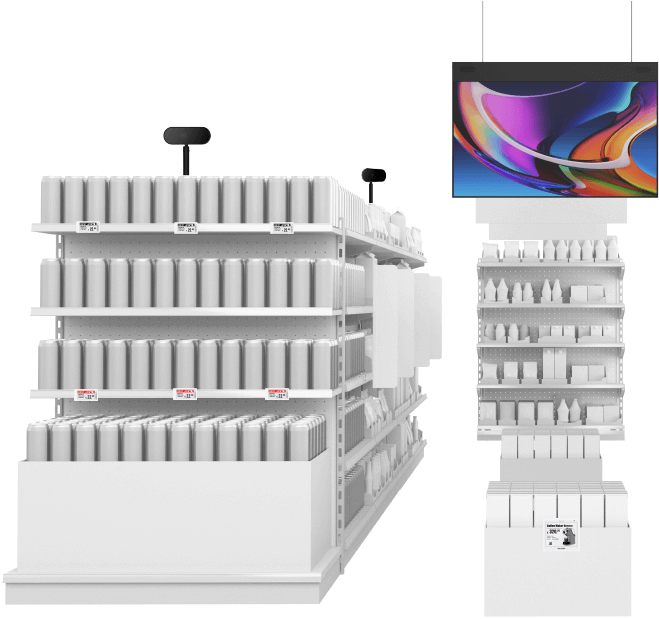
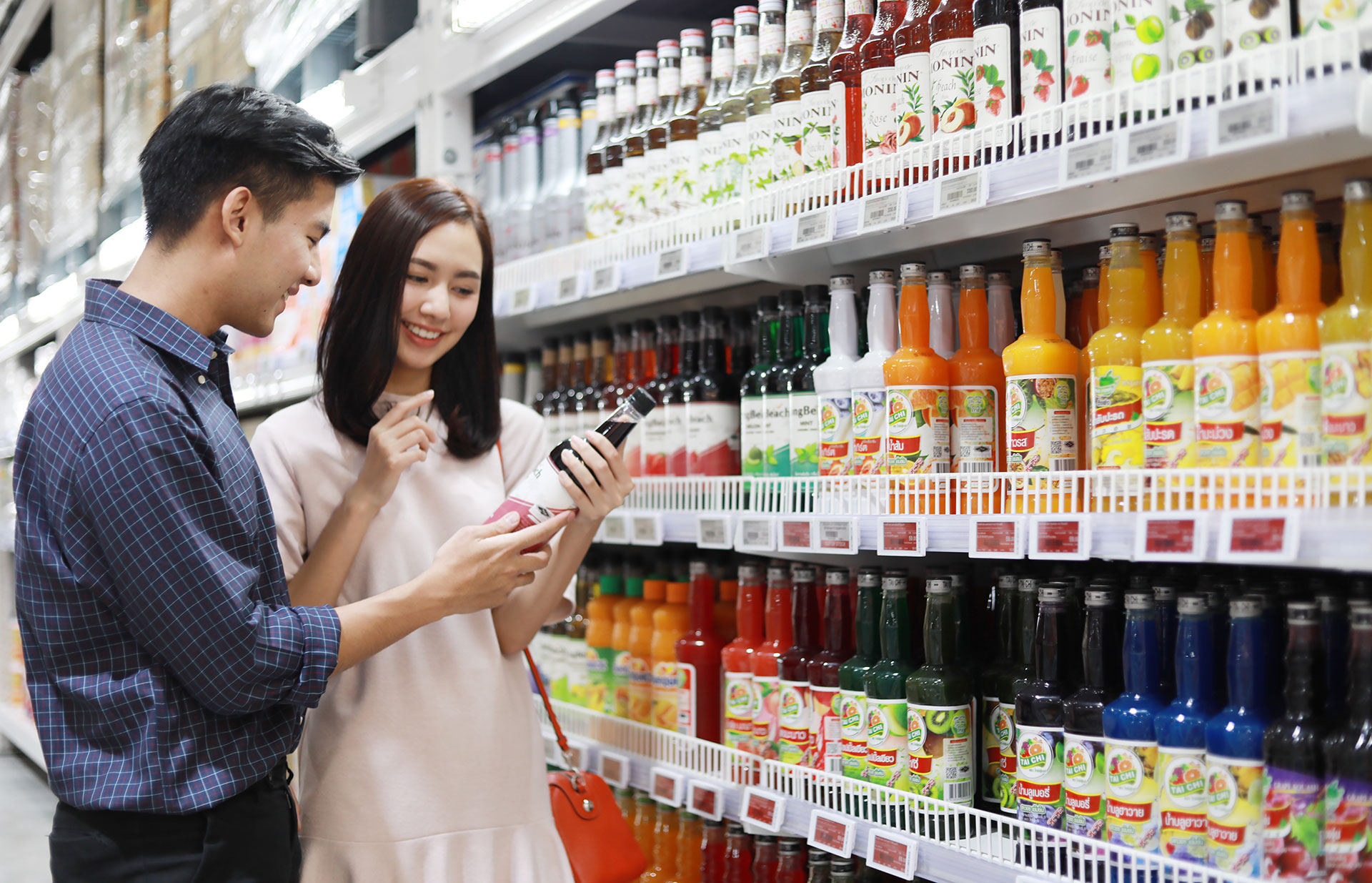
Electronic Shelf Labels are small digital displays attached to retail shelves that replace traditional paper pricing tags.
These displays typically use e-ink technology similar to e-readers, allowing them to remain visible while consuming very little power.
Most ESL systems include:
- Digital shelf displays
- Wireless communication networks
- Centralized pricing software
- Real-time synchronization with POS systems
- Inventory and analytics integrations
The main advantage is simple but powerful: stores can instantly update pricing across entire locations without manual labor.
A single software change can automatically adjust:
- Product prices
- Promotional discounts
- Flash sales
- Loyalty offers
- Stock indicators
- QR code information
This level of automation dramatically improves operational efficiency while reducing pricing inconsistencies.
Why Traditional Shelf Labels No Longer Work
Paper labels may seem simple, but they create constant operational problems for retailers.
One major issue is pricing inconsistency. A shelf may display one price while the checkout system reflects another. Even small discrepancies create customer frustration and damage trust.
Manual systems also consume enormous amounts of staff time.
Large retailers often change thousands of prices weekly. Employees must:
- Print updated labels
- Organize replacements
- Walk aisle by aisle
- Remove outdated tags
- Install new ones
- Verify accuracy
This process is expensive, repetitive, and highly error-prone.
In fast-moving retail environments like grocery stores, prices may need updating multiple times per day due to inventory fluctuations, supplier costs, or expiration management.
Paper systems simply cannot scale efficiently in modern retail operations.
How Hanshow ESL Systems Work
Hanshow has become one of the global leaders in electronic shelf label technology by focusing on scalability, wireless efficiency, and retail automation.
Their ESL ecosystem typically includes:
Digital Shelf Displays
These are mounted directly on shelves and display:
- Product pricing
- Discounts
- Product names
- Barcodes
- QR codes
- Inventory information
The e-ink displays are designed for readability while consuming minimal energy.
Wireless Communication Infrastructure
The system communicates wirelessly with store management software, allowing updates to happen instantly throughout the store.
Centralized Pricing Software
Retail managers can control thousands of labels through one interface.
This enables:
- Scheduled promotions
- Real-time markdowns
- Dynamic pricing strategies
- Regional pricing adjustments
- Automated campaign management
Store Analytics Integration
Advanced systems also collect operational insights, helping retailers optimize:
- Shelf restocking
- Product movement
- Promotion performance
- Inventory turnover
This transforms shelf labels from passive displays into active retail intelligence tools.
Limited-Time Retail Tech Promotions Worth Watching
Many enterprise technology providers now offer pilot deployment incentives for first-time ESL adoption.
Common retail implementation offers in 2026 include:
- Free installation consultations
- Multi-store deployment discounts
- Volume pricing bundles
- Extended software support periods
- Seasonal retail transformation promotions
For growing retailers, these implementation programs can significantly reduce initial transition costs.
Dynamic Pricing Is Reshaping Retail
One of the biggest reasons retailers adopt ESL technology is dynamic pricing.
Dynamic pricing allows businesses to adjust prices instantly based on real-time conditions.
Instead of relying on fixed pricing models, stores can now respond intelligently to:
- Inventory levels
- Product demand
- Time-sensitive sales
- Competitor pricing
- Product expiration dates
- Seasonal shopping patterns
This creates major advantages across multiple industries.
Grocery Retail
Fresh food departments benefit enormously from automated markdowns.
Products nearing expiration can automatically receive discounts throughout the day, helping reduce waste while improving sell-through rates.
Electronics Retail
Technology retailers often face rapidly changing supplier costs and competitive pricing pressure.
ESLs allow instant price alignment without labor-intensive updates.
Fashion Retail
Retailers can rapidly launch promotions during low traffic periods or seasonal clearance events.
This flexibility creates more agile merchandising strategies.
Dynamic pricing has become one of the defining retail trends of 2026 and ESL systems are the infrastructure that makes it possible.
Real-Time Pricing Improves Customer Trust
Nothing frustrates shoppers faster than mismatched pricing.
When customers see one price on the shelf and another at checkout, confidence in the retailer immediately declines.
Electronic Shelf Labels help eliminate this issue entirely because shelf pricing updates synchronize directly with POS systems.
This creates:
- Higher pricing accuracy
- Fewer disputes
- Faster checkout experiences
- Improved customer confidence
Modern consumers also expect greater transparency.
Many ESL systems now display:
- Unit pricing
- Sustainability information
- Product origins
- QR code links
- Nutrition details
- Customer reviews
This creates a more informed and interactive shopping experience.
Reducing Labor Costs Through Automation
One of the biggest financial advantages of ESL systems is labor reduction.
Traditional price management requires constant manual work.
With ESL automation:
-
Thousands of labels update instantly
-
Staff spend less time replacing tags
-
Promotions launch faster
-
Audits become easier
-
Human errors decrease dramatically
For large retailers, this can translate into significant long-term savings.
Employees can focus on customer service, merchandising, and inventory management instead of repetitive administrative tasks.
Over time, many retailers find ESL systems pay for themselves through labor savings alone.
Offer Spotlight: Multi-Store Deployment Savings
Retail technology vendors increasingly provide scalable pricing models for chain expansion.
Popular implementation incentives include:
-
Reduced pricing for multiple locations
-
Free onboarding for regional chains
-
Software bundle discounts
-
Pilot-to-scale conversion offers
These programs make ESL adoption more accessible for medium-sized retailers entering smart retail transformation.
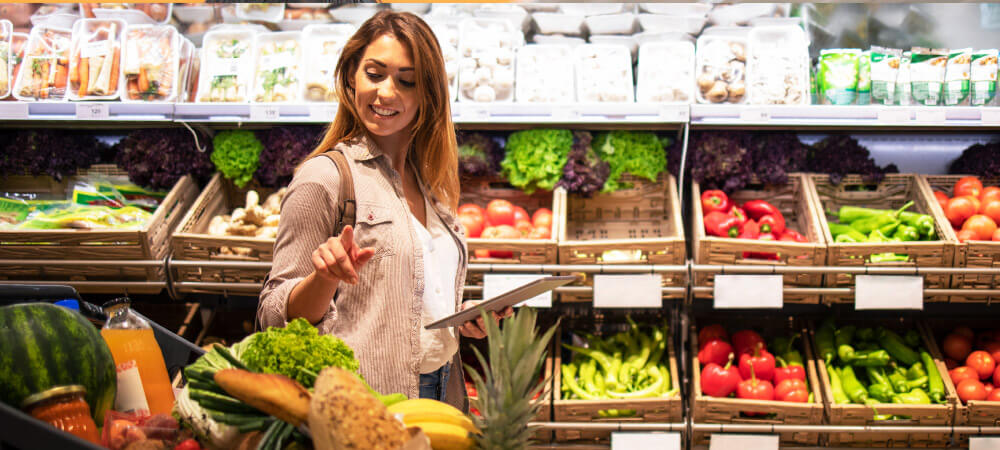
Smart Shelves Are Becoming Retail Intelligence Platforms
In 2026, Electronic Shelf Labels are evolving beyond pricing displays.
Smart shelves now integrate with broader retail ecosystems.
Advanced systems may include:
-
Pick-to-light fulfillment systems
-
Automated restocking alerts
-
Inventory sensors
-
AI-driven analytics
-
Customer behavior tracking
-
Real-time heat mapping
This allows retailers to understand exactly how products perform in-store.
Managers can identify:
-
Fast-selling products
-
Low-performing shelf placements
-
Out-of-stock risks
-
Promotion effectiveness
-
Traffic patterns
Retail decisions become increasingly data-driven rather than assumption-based.
Check Intelligent Shelf Solutions
Hanshow ESL Applications Across Different Retail Industries
Grocery Stores
Electronics Retailers
Fashion Stores
Pharmacies
Practical Benefits Retailers Notice After ESL Adoption
Faster Promotional Execution
Better Inventory Coordination
Improved Sustainability
Higher Operational Accuracy
Enhanced Customer Experience
Pros and Cons of Electronic Shelf Labels
Are ESL Systems Expensive?
Seasonal Retail Technology Promotions
Who Should Invest in ESL Technology?
The Future of Retail Pricing Technology
Who Benefits Most From Hanshow ESL Solutions?
Final Verdict
Frequently Asked Questions
What are Electronic Shelf Labels used for?
How do Hanshow ESL systems work?
Do Electronic Shelf Labels save money?
Are ESL systems only for large retailers?
Can ESLs support dynamic pricing?
Do Electronic Shelf Labels improve customer experience?
Are ESL displays energy efficient?
You may also like