
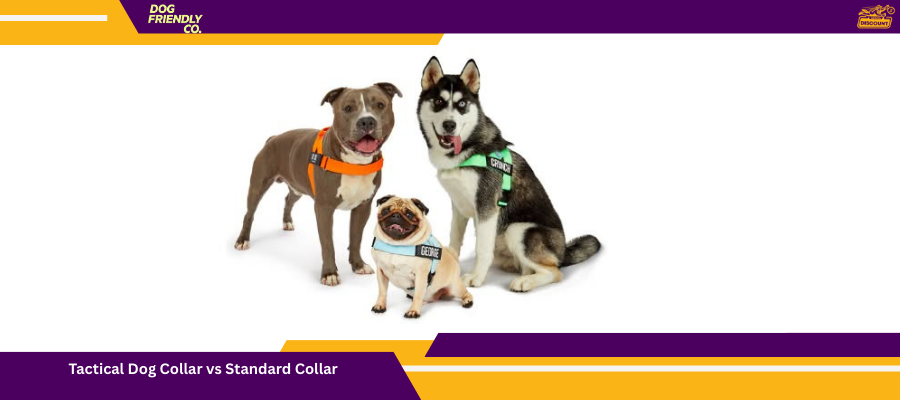
 Comparison
Choosing the right collar for your dog is not just a style decision. It directly affects safety, comfort, control, and how well your dog responds during daily walks or training sessions. In 2026, dog owners have more gear options than ever before and one of the most common comparisons is the tactical dog collar vs standard collar 2026 debate.
Many owners still use a basic collar without considering whether it truly fits their dog’s behavior and strength. Others switch to tactical gear expecting better control and durability. But the real difference goes beyond appearance it comes down to structure, material strength, handling ability, and intended use.
In this tactical dog collar vs standard collar 2026 guide, we’ll break down everything you need to know so you can choose the right option based on your dog’s lifestyle, size and activity level.
Tactical Dog Collar vs Standard Collar 2026: Understanding the Basics
Before comparing features, it’s important to understand what each collar type is designed for.
A standard collar is meant for everyday use. It focuses on simplicity, lightweight comfort, and basic leash attachment. It is commonly used for ID tags and short walks.
A tactical dog collar, on the other hand, is designed for strength and control. It is inspired by working dog equipment and built using reinforced materials to handle active, strong or high-energy dogs.
In the tactical dog collar vs standard collar 2026 comparison, the biggest difference lies in durability and handling capability rather than aesthetics.
What Is a Standard Dog Collar?
A standard dog collar is the most commonly used type of collar for everyday pet owners. It is simple, lightweight, and designed for basic functionality rather than heavy-duty control.
Typical features include:
- Nylon or polyester webbing for lightweight comfort
- Plastic side-release buckle for easy wear and removal
- Single metal D-ring for leash and ID tag attachment
- Adjustable sizing for basic fit customization
Standard collars are best suited for dogs that are already trained or naturally calm during walks.
When Standard Collars Work Best
Standard collars are typically ideal for:
- Small or medium-sized calm dogs
- Short daily walks in controlled environments
- Holding identification tags
- Light leash attachment without pulling issues
They are convenient, inexpensive, and easy to use, which makes them popular among first-time dog owners.
However, they may not provide enough control for stronger or highly energetic dogs.
What Is a Tactical Dog Collar?
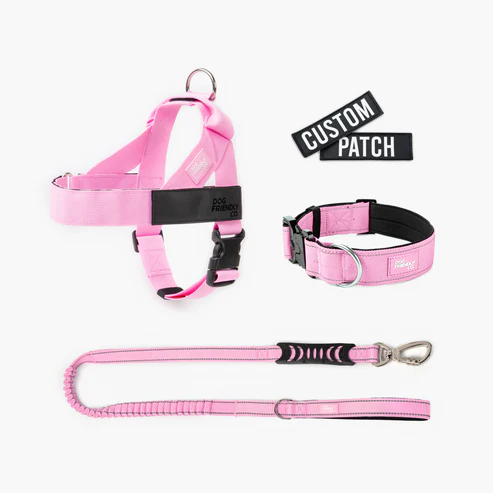
A tactical dog collar is designed for strength, durability, and enhanced handling. It is commonly used for working dogs, training environments, and active breeds that require better control.
These collars are built using heavy-duty materials and reinforced hardware to withstand pulling and outdoor stress.
Typical features include:
- Thick, high-density nylon webbing
- Reinforced stitching for added durability
- Heavy metal buckles instead of plastic clips
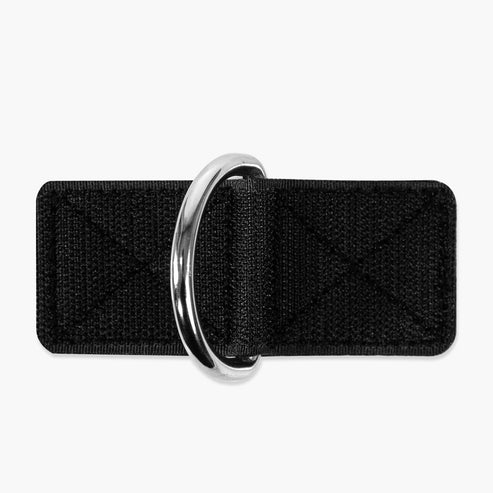
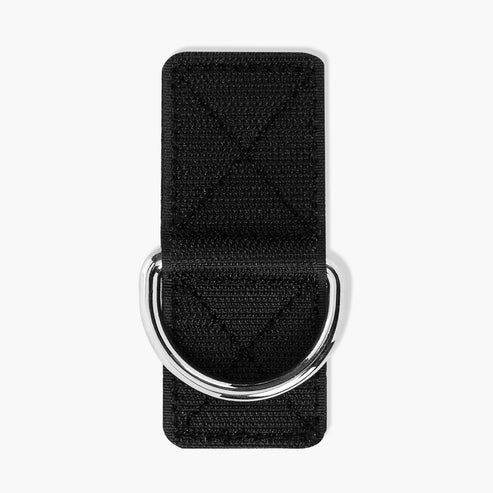
- Strong D-rings for leash attachment
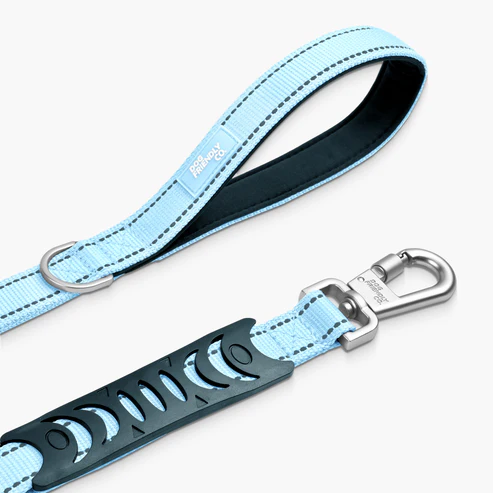
- Control handle for quick grip and handling
- Wider collar design for pressure distribution
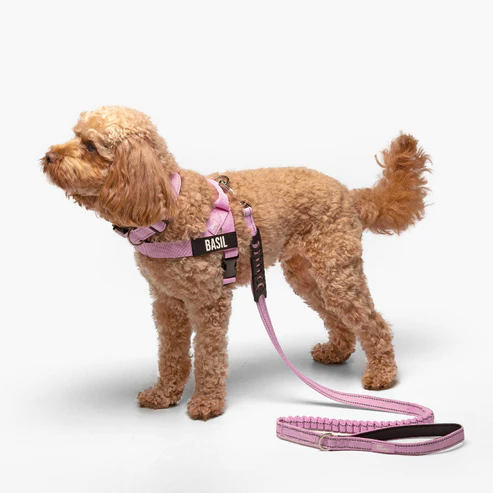
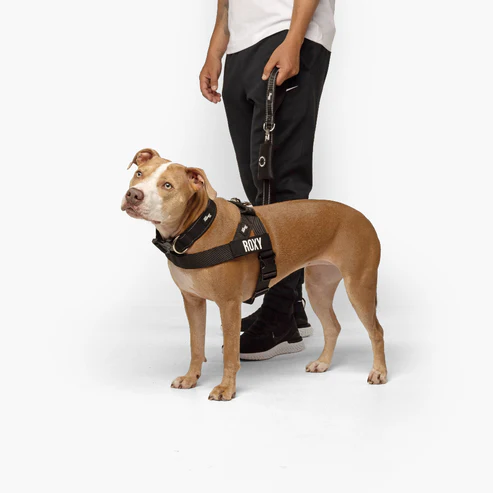
Some premium designs from brands like Dog Friendly Co. also include customizable name patches for identification and style.
When Tactical Collars Are Most Useful
Tactical collars are best suited for:
- Strong or large dog breeds
- Energetic dogs that pull during walks
- Outdoor training sessions
- Crowded or high-traffic environments
- Working dogs or active lifestyles
They are built for control and safety rather than minimal design.
Material and Build Quality Comparison
Standard Collar Materials
Standard collars are made with lightweight materials designed for everyday convenience.
-
Lightweight nylon or polyester
-
Plastic buckle system
-
Basic stitching and hardware
These materials are comfortable but may wear down faster, especially with dogs that pull frequently or spend a lot of time outdoors.
Tactical Collar Materials
Tactical collars use reinforced construction designed for strength and longevity.
-
High-density reinforced nylon
-
Heavy-duty metal buckles
-
Double or reinforced stitching
-
Wider collar structure for stability
The wider design helps distribute pressure across the neck more evenly, which can improve comfort for stronger dogs during movement.
Control and Handling Differences
One of the most important factors in the tactical dog collar vs standard collar 2026 comparison is control.
Standard Collar Control
-
Basic leash attachment point
-
Limited control during sudden pulling or lunging
-
No built-in handling support
-
Suitable only for calm walking behavior
Standard collars rely heavily on the dog’s training rather than hardware support.
Tactical Collar Control
-
Reinforced D-ring for secure leash connection
-
Optional grab handle for instant control
-
Better stability during sudden movements
-
Designed for training and active environments
The handle feature is especially useful in crowded spaces, near roads, or during obedience training sessions where quick reaction is necessary.
Comfort and Fit: Which Feels Better for Dogs?
Comfort depends on both design and usage style.
Standard collars are lightweight and less bulky, which some dogs prefer during rest or casual walks. However, the narrower design can create pressure points if the dog pulls frequently.
Tactical collars distribute pressure more evenly due to their wider structure. Some versions also include padding for additional comfort during long walks or training sessions.
Key Comfort Insight
If a dog pulls heavily, a tactical collar may actually feel more stable and less stressful on the neck compared to a thin standard collar.
However, for dogs with consistent pulling behavior, many owners still prefer combining a collar with a harness for improved safety.
Real-World Use Cases
Understanding real-life application helps clarify the difference in the tactical dog collar vs standard collar 2026 decision.
Standard Collar Use Cases
-
Daily ID tag holder
-
Short neighborhood walks
-
Calm indoor-to-outdoor transitions
-
Small or well-trained dogs
Tactical Collar Use Cases
-
Training sessions in public spaces
-
Outdoor adventures or hikes
-
Strong or large breed dogs
-
High-energy walking environments
Each collar type serves a different purpose rather than one being universally better.
Pros and Cons of Each Collar Type
| Type | Pros | Cons |
|---|---|---|
|
Standard Collar |
Lightweight, simple, affordable |
Limited control, less durable |
|
Tactical Collar |
Strong, durable, better control |
Heavier, more expensive |
Pairing Collars with the Right Dog Gear
Collars alone are only part of a complete walking system.
Many experienced dog owners combine multiple tools for safety and control:
-
Tactical collar for durability and identification
-
No-pull harness for leash pressure distribution
-
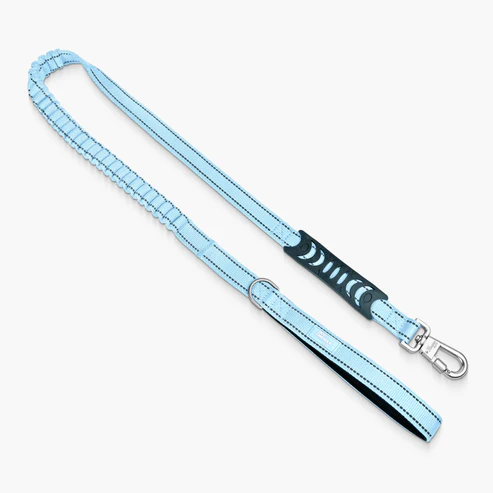
Shock-absorbing leash for smoother handling
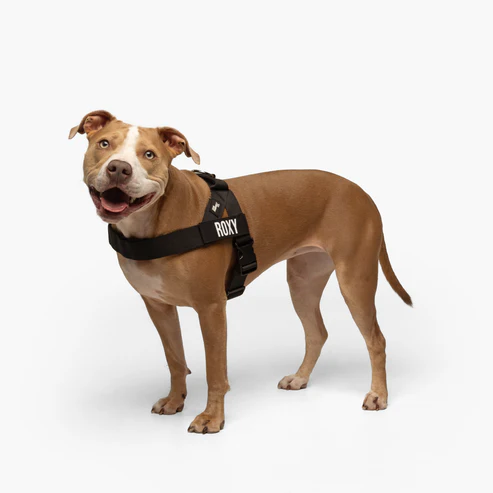
Some brands like Dog Friendly Co. also offer matching harnesses and personalized name patches, helping improve both identification and style during outdoor walks.
This combination creates a more balanced setup for both control and comfort.
Pricing and Value Considerations
In general, standard collars are more budget-friendly and widely available, making them suitable for basic needs.
Tactical collars are priced higher due to reinforced materials, stronger hardware and added features like handles and padding.
When evaluating value in the tactical dog collar vs standard collar 2026 comparison, it comes down to long-term durability versus upfront cost.
For calm dogs, standard collars offer great value. For active or strong dogs, tactical collars often provide better long-term investment.
Who Should Choose Which Collar?
Choose a Standard Collar If:
-
Your dog is calm and well-trained
- You only need ID tag support
- You prefer lightweight daily use
- Walks are short and controlled
Choose a Tactical Collar If:
-
Your dog is strong or highly energetic
- You need better control in public spaces
- You do outdoor training or hiking
- Durability is a top priority
Final Verdict: Tactical Dog Collar vs Standard Collar 2026
The difference between a tactical dog collar and a standard collar is not about which one is better overall, but which one fits your dog’s lifestyle.
Standard collars are ideal for simple, everyday use with calm dogs. They are lightweight, easy to use, and affordable.
Tactical collars are built for strength, control, and durability. They are better suited for active, large, or energetic dogs that require more handling support.
In the tactical dog collar vs standard collar 2026 decision, the best choice depends entirely on your dog’s behavior, size, and daily activity level.
Frequently Asked Questions (FAQ)
1. What is the main difference between tactical and standard collars?
Tactical collars are stronger and designed for control, while standard collars are lightweight and for basic use.
2. Are tactical dog collars safe for everyday use?
Yes, they are safe when properly fitted and used correctly.
3. Do standard collars work for large dogs?
They can, but they may not provide enough control for strong pullers.
4. Are tactical collars uncomfortable for dogs?
Not usually. Many distribute pressure better due to their wider design.
5. Should I use a harness instead of a collar?
For heavy pullers, combining a harness with a collar is often recommended.
6. Do tactical collars help with training?
Yes, especially in outdoor or controlled training environments.
7. Which collar lasts longer?
Tactical collars generally last longer due to reinforced materials.
You may also like